
Week 6: Hygiene and Storage
1.Implementation of Water Filtration Systems: o
Water filtration systems were installed in several homes, particularly in areas where contamination was highest. These systems were sourced through partnerships with local NGOs.
oThe community was educated on the proper maintenance of these filters and the importance of regular cleaning to prevent clogging and ensure long-term usability.
oThe installation of these filters has significantly improved the water quality in the targeted households, reducing health risks associated with waterborne diseases.
2.Follow-up Awareness Campaigns: o
Follow-up sessions were conducted to reinforce the lessons learned in previous weeks. Residents were reminded of the importance of safe water storage and the dangers of unfiltered water.
oNew pamphlets and materials were distributed, highlighting the benefits of using water filters, as well as methods for reusing and conserving water.
oThese sessions also focused on personal hygiene, emphasizing the role of clean water in preventing diseases like cholera and typhoid.
3.Collaboration with Local Authorities: o
Further discussions were held with local authorities to address the infrastructure issues in Padmavathi centre. Municipal officials committed to repairing the leaking water pipes and improving the supply system.
oA schedule for regular maintenance of the water supply system was proposed to prevent future disruptions. Additionally, efforts were made to extend water coverage to underserved areas in the region.
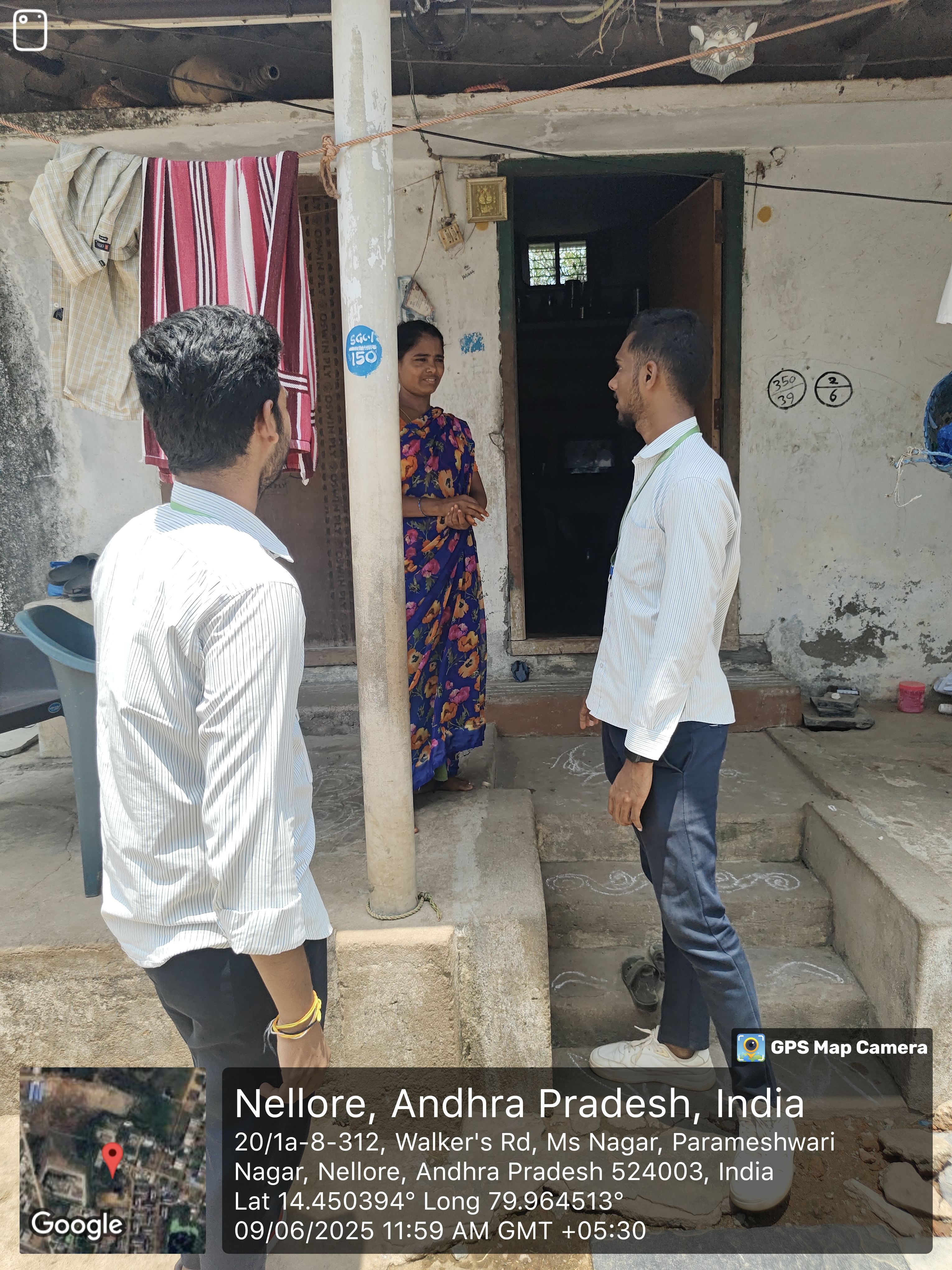
Emphasized clean storage and hygiene habits to maintain water quality at home. The team educated families on best practices for water storage and handling.
Key Learnings
- Recognized the importance of hygiene in water safety.
- Learned about safe storage techniques.
- Encouraged community participation in hygiene practices.